
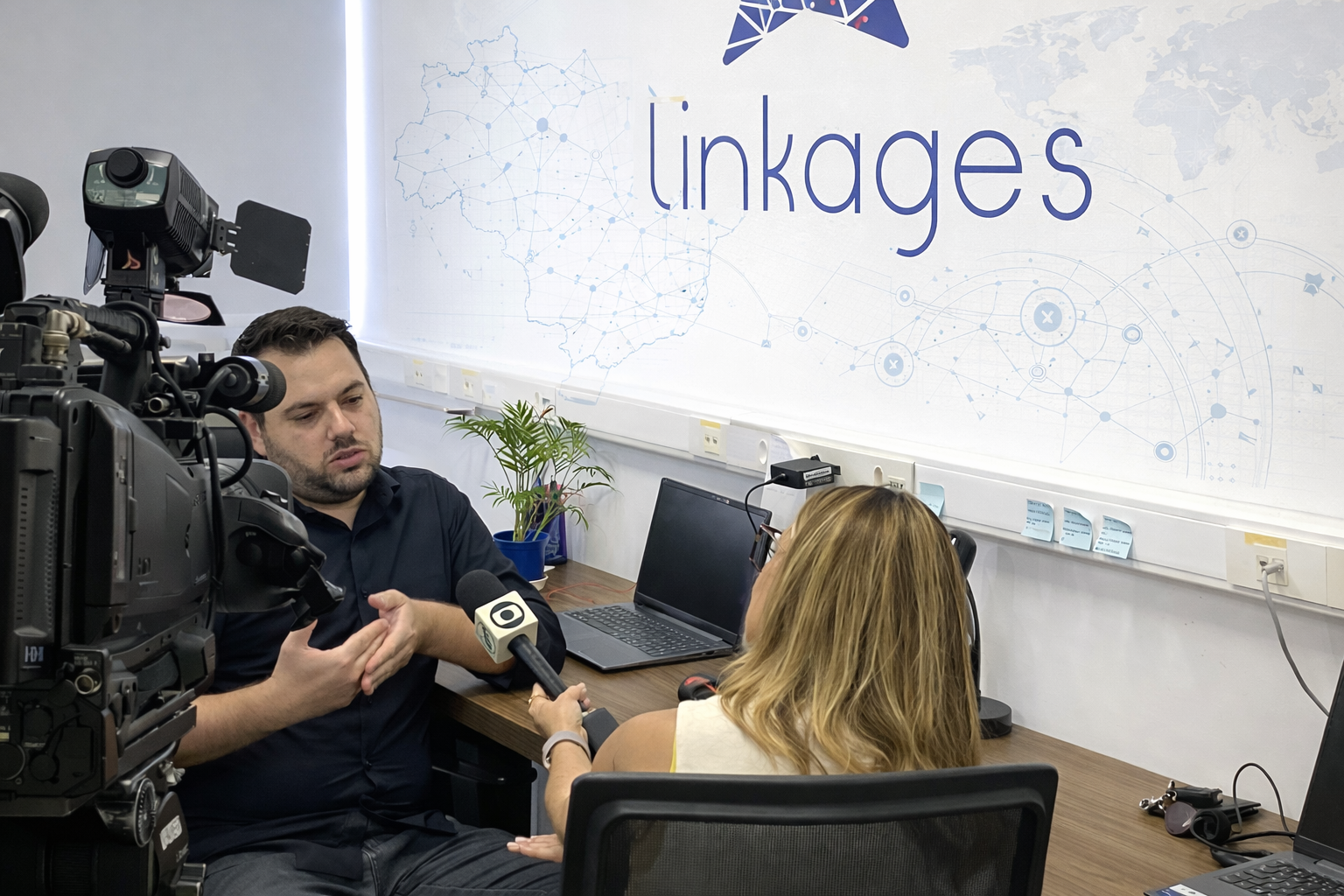
In Brazil, real estate investment decisions are still frequently made based on Outdated and fragmented territorial data, with a low capacity to represent real urban dynamics.The time lag in public databases, the methodological heterogeneity between sources, and the low spatial resolution create a high-risk environment precisely at the most critical stage of the project: the feasibility study.
In a country of continental dimensions, with accelerated urban growth, territorial informality, and rapid changes in land use and occupation, Feasibility models that treat territory as static tend to generate significant distortions. based on the premises of demand, positioning, and financial return.
Why outdated data is a structural risk in the Brazilian context.
Many of the databases traditionally used in the market—censuses, urban cadastres, and aggregated socioeconomic indicators—have long update cycles. During this interval, the territory changes significantly:
-
New logistics and mobility corridors are altering flows and accessibility;
-
Peripheral areas are undergoing accelerated processes of densification;
-
Consolidated regions suffer from functional saturation;
-
Informal dynamics redefine real patterns of occupation and consumption.
When these changes are not captured, the Feasibility study will now represent an outdated reading of space, increasing the locational risk of the investment.
Technical limitations of traditional feasibility models
From a methodological point of view, conventional studies in Brazil face three main limitations:
-
Dependence on aggregated data, which conceal territorial microdynamics;
-
Low spatial granularity, unable to differentiate intra-urban patterns;
-
Lack of temporal analysis, disregarding the recent evolution of the territory.
These limitations directly impact the definition of the product mix, pricing, competitive analysis, and absorption projections.
How does Linkages Geoespacial solve these challenges in practice?
Geospatial Linkages operates precisely where traditional models fail, integrating Updated geodata, advanced spatial analysis, and temporal reading of the territory. to the Feasibility Studies.
1. Continuous territorial updating via satellite imagery.
Instead of relying solely on static public databases, Linkages uses recent and multi-temporal satellite images to identify urban transformations that do not yet appear in official data.
Practical example:
Detection of new developments, areas undergoing densification, urban expansion, and changes in land use that directly impact the attractiveness and positioning of a real estate asset.
2. High-resolution spatial analysis
Linkages works with fine spatial cutoutsallowing us to understand significant differences within the same urban region.
Practical example:
Identifying microzones with distinct patterns of income, consumption, accessibility, and competition, thus avoiding decisions based on municipal or district averages that do not reflect local realities.
3. Integration between territorial data and market data
Geodata is cross-referenced with information on the real estate market, infrastructure, mobility, and socioeconomic profile, transforming the territory into... active variable of the feasibility model.
Practical example:
An assessment of how recent changes in road infrastructure or public transportation alter the actual area of influence of a development and its absorption capacity.
4. Time reading and trend anticipation
Multitemporal analysis allows us to understand not only the current state of the territory, but also your transformation journey.
Practical example:
Identifying areas that show early signs of appreciation or saturation before these trends solidify in market prices.
5. Objective reduction of locational risk
By incorporating geospatial intelligence into Feasibility studyLinkages reduces reliance on generic assumptions and increases the technical robustness of decisions.
Direct benefit for the investor:
-
Greater precision in product definition;
-
Better alignment between territorial vocation and real estate strategy;
-
Reducing sizing errors;
-
Greater predictability of return.
Conclusion
In the Brazilian context, where the territory transforms faster than traditional databases can record, investing with outdated data means taking invisible risks. The work of Linkages Geoespacial demonstrates that... live data, advanced spatial analysis, and temporal reading of the territory. They are now essential components of Feasibility Studies technically consistent.
Geospatial intelligence is no longer a differentiator but becomes a key component. Analytical infrastructure for safer and more efficient real estate decisions..