

Applications for different markets
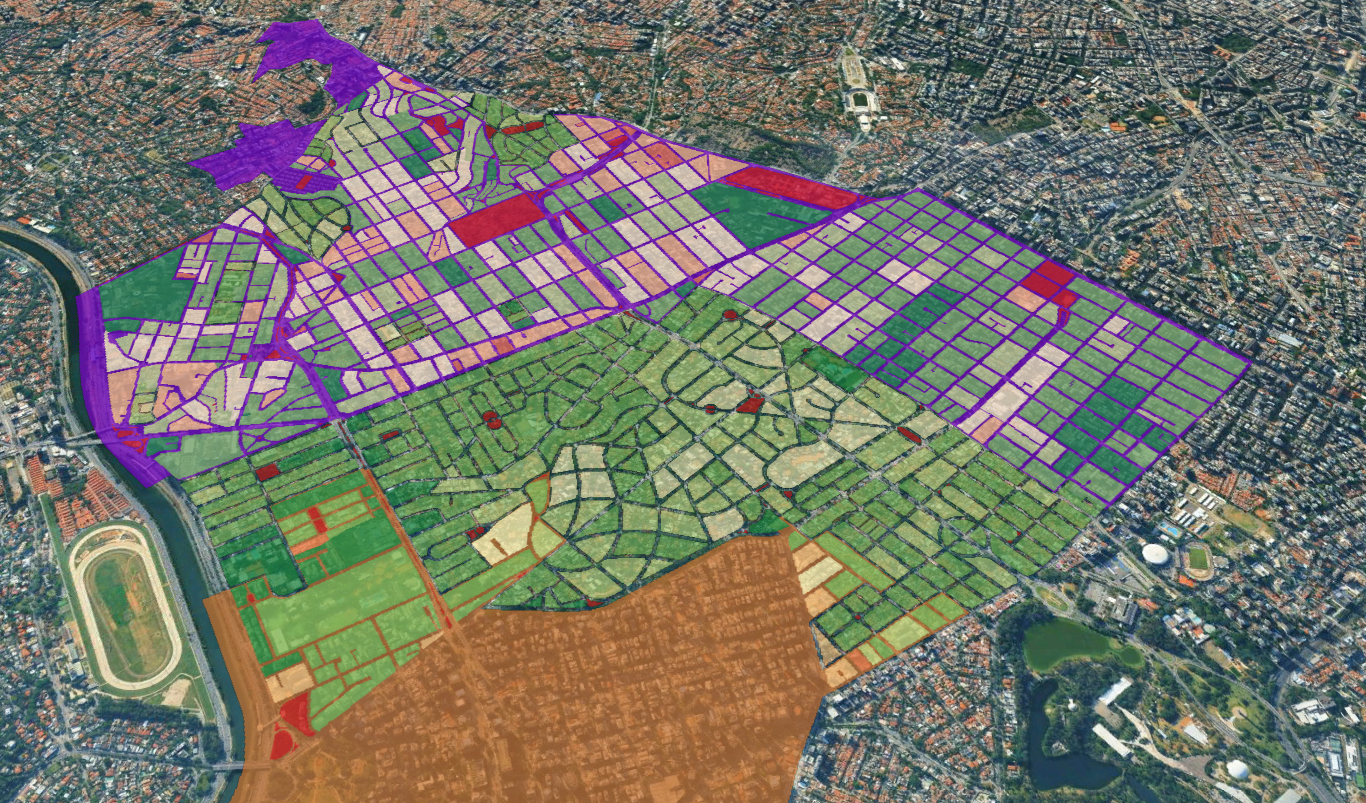
Real estate market
We map areas for prospecting, identify vectors for city expansion, and monitor assets to support faster, safer, and more profitable decisions.
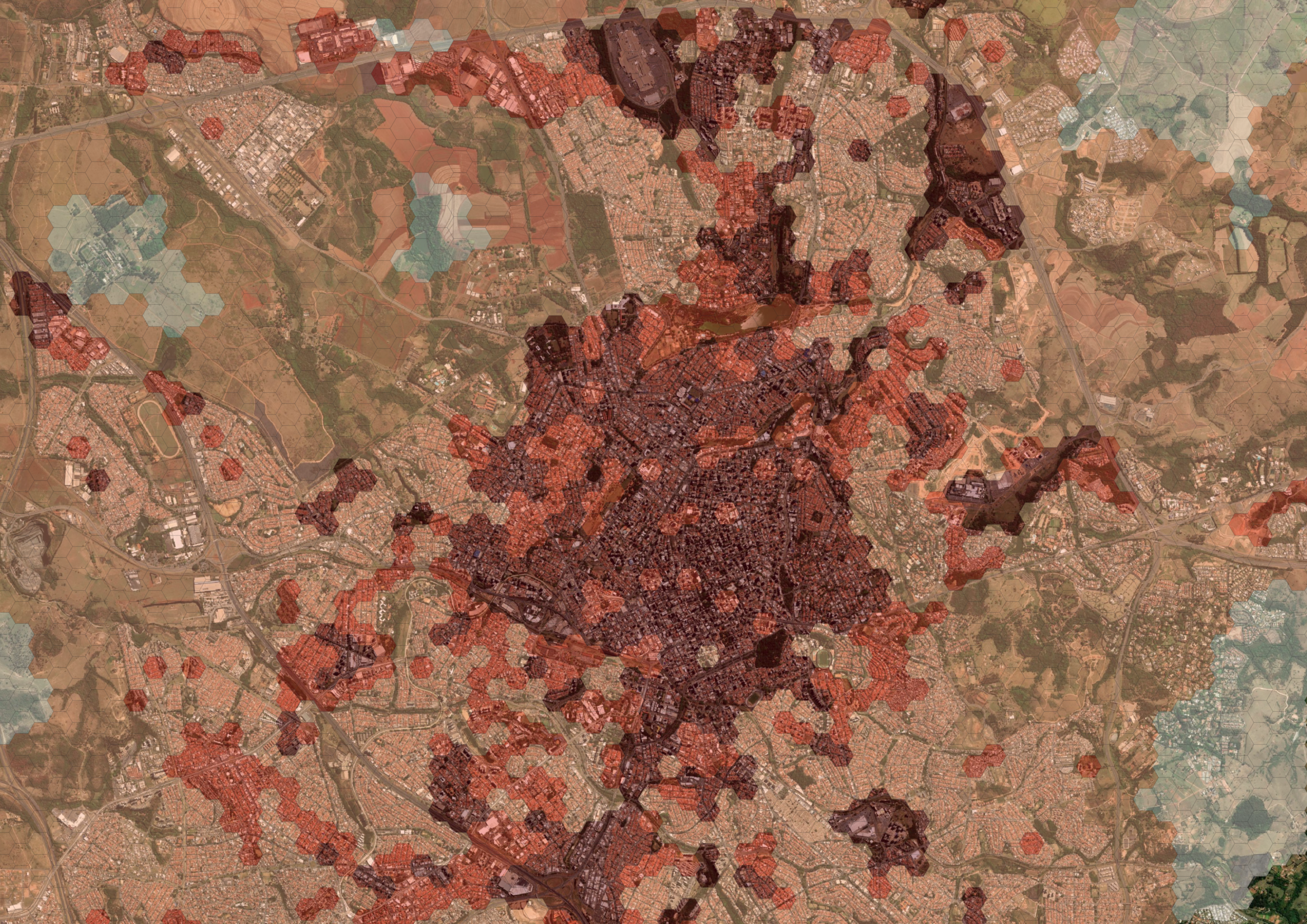
Retail and Franchises
Our Chat.AI Expansion Analyst and Location Recommendation feature uses geospatial intelligence to identify the best cities and locations for your business growth.
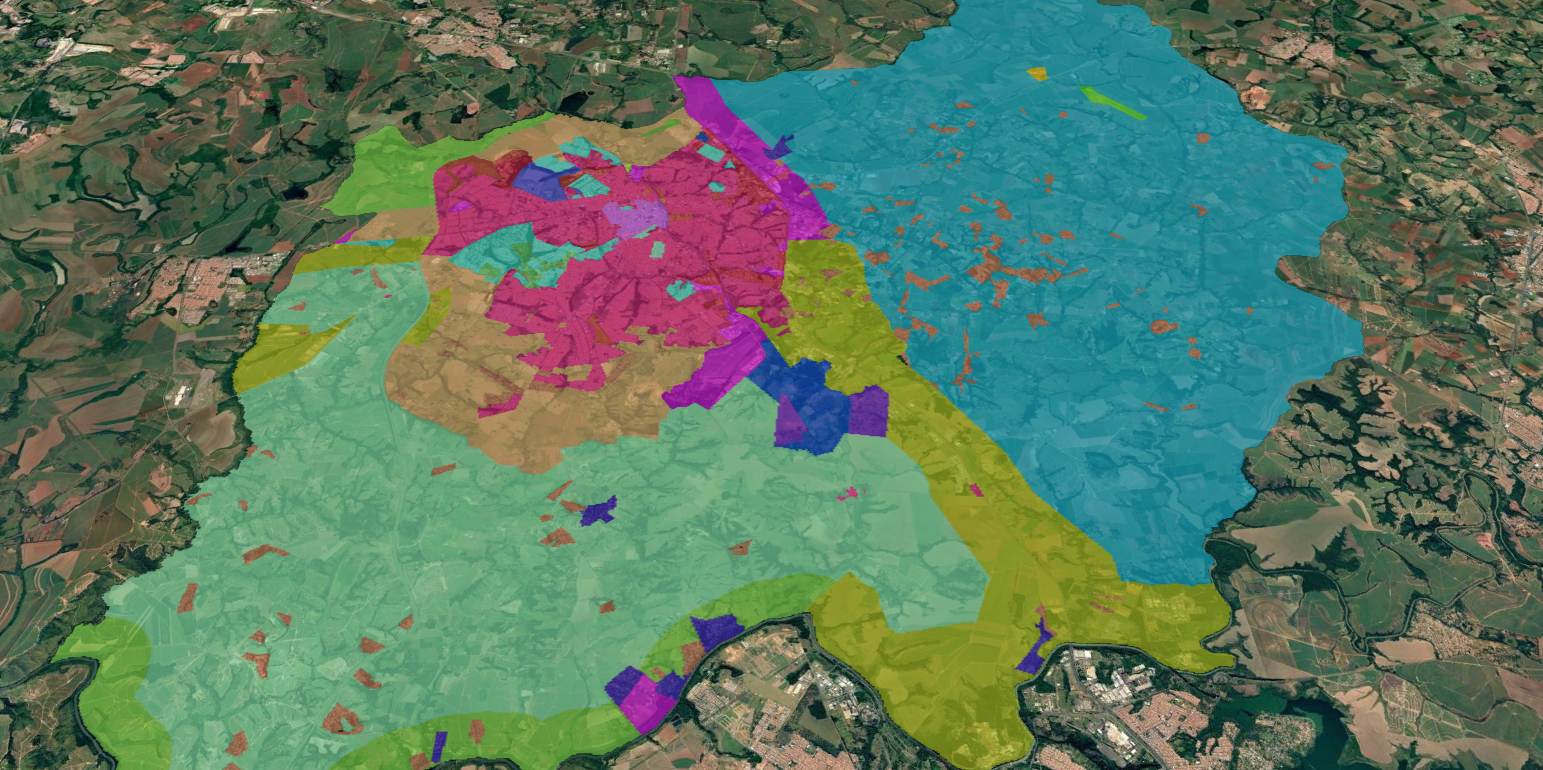
Government
The City Map and Zoning Assessment provide territorial intelligence to support planning, the review of Master Plans, and the efficient management of the territory.
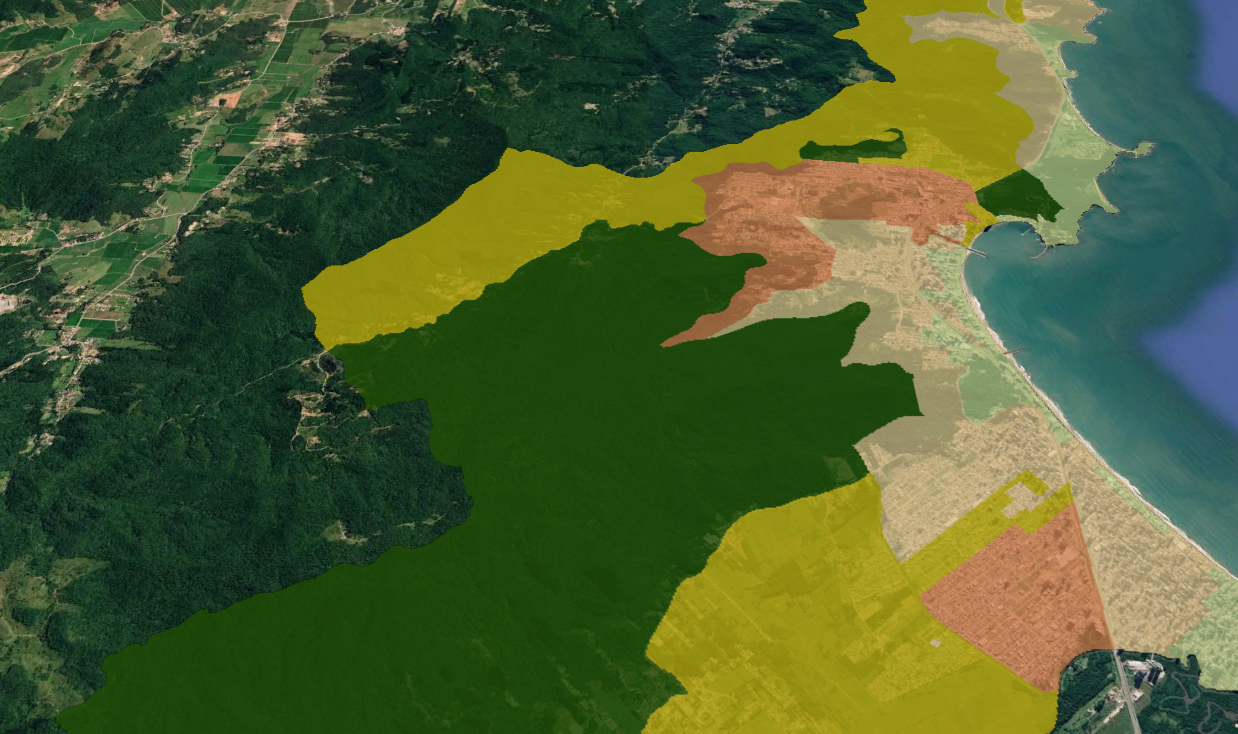
Environmental
We accelerate environmental projects with geospatial analyses. We develop socio-environmental studies and identify areas with potential for carbon (CO₂e) projects, reducing risks and increasing the efficiency of the studies.
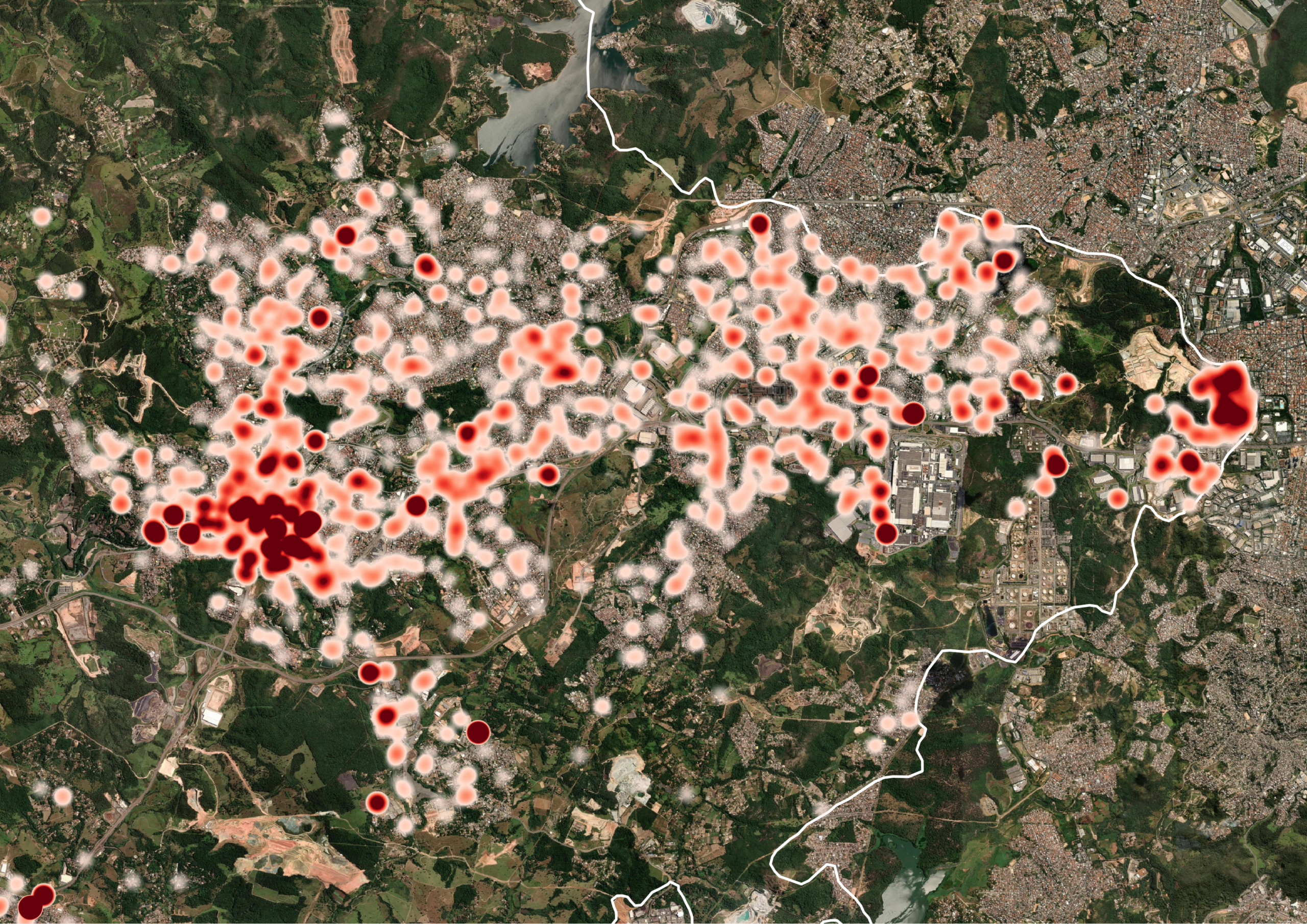
Energy
Find the best locations for new ventures. Area prospecting for power plants and BESS identifies regions with the greatest technical, environmental, and logistical potential for implementing energy projects.
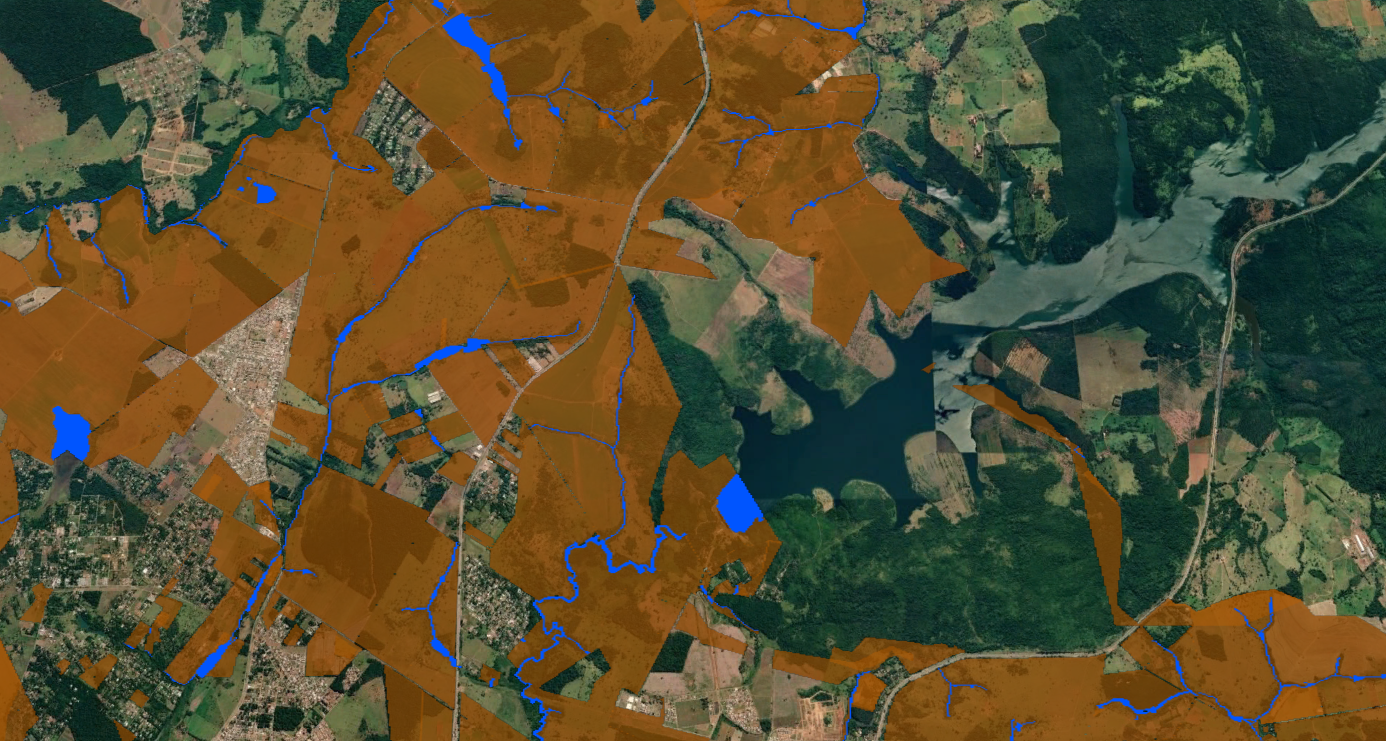
Agribusiness
Gain complete visibility across the supply chain. Supply Chain Mapping connects producers, suppliers, and territorial assets to strengthen management, ESG compliance, and decision-making.
We are a technology-based company.
We were born within the UNICAMP innovation ecosystem, connecting research, technology, and market intelligence to develop solutions capable of generating concrete results for companies and governments. This origin allows us to transform scientific knowledge into practical applications, combining strategic geodata, GeoAI, and methodologies to solve complex market challenges. The result is the delivery of modern, reliable, and customized solutions that increase competitiveness, reduce risks, and enhance growth opportunities for our clients.


In Brazil, real estate investment decisions are still frequently made based on outdated, fragmented territorial data with limited capacity for...

A business's location is more than just a point on a map; it's a strategic decision that can dictate its success.

The territory is in constant transformation. New developments emerge, flows of people move, socioeconomic profiles change, and urban dynamics evolve.

Geospatial analysis has ceased to be a technological differentiator and has become the core of strategic decisions in the modern real estate market. Developers,